 Skip to main content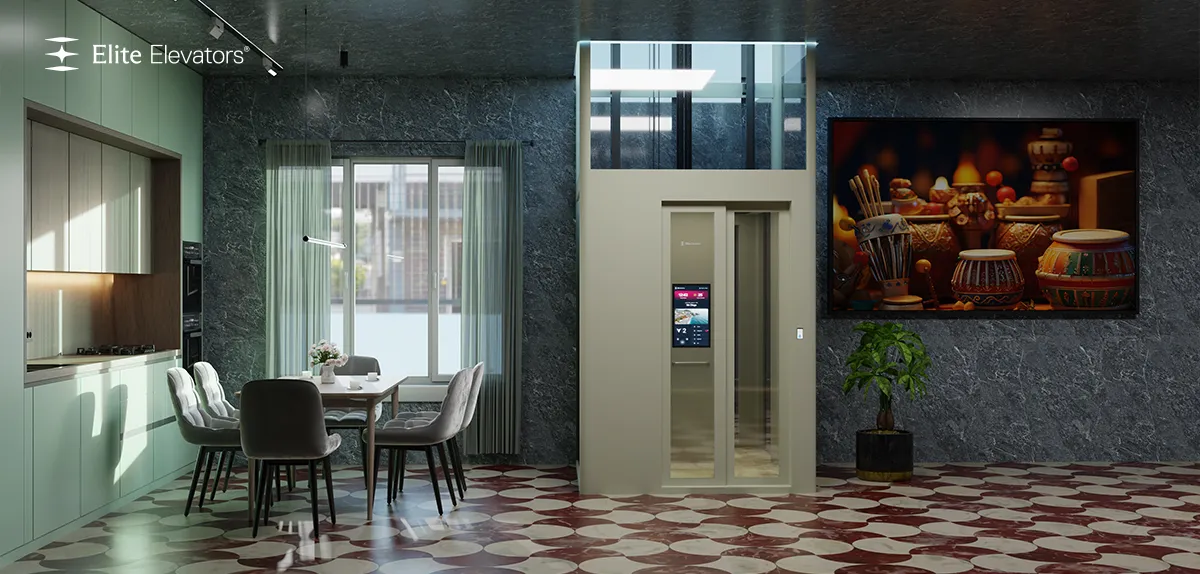
Self-Supporting Structure
A self-supporting structure is one of the most practical and innovative engineering solutions in modern home elevator design. Unlike traditional systems that rely on existing walls or external structural elements for support, a self-supporting home elevator carries its entire load through its own internal framework — independently and securely. This eliminates the need for costly structural reinforcements to your home's walls and ceilings, making installation cleaner, faster, and far less disruptive to your living environment.

How This Works
The self-supporting structure distributes the full weight of the elevator — cabin, drive system, and passengers — through a dedicated aluminium or steel frame that stands entirely on its own footprint. The frame is engineered to bear dynamic and static loads during travel without transferring stress to the surrounding building structure. The elevator operates as a self-contained unit, placeable in new builds or retrofitted into existing homes without requiring wall reinforcement or structural surveys in most cases.
Importance of a Self-Supporting Structure in Home Elevators
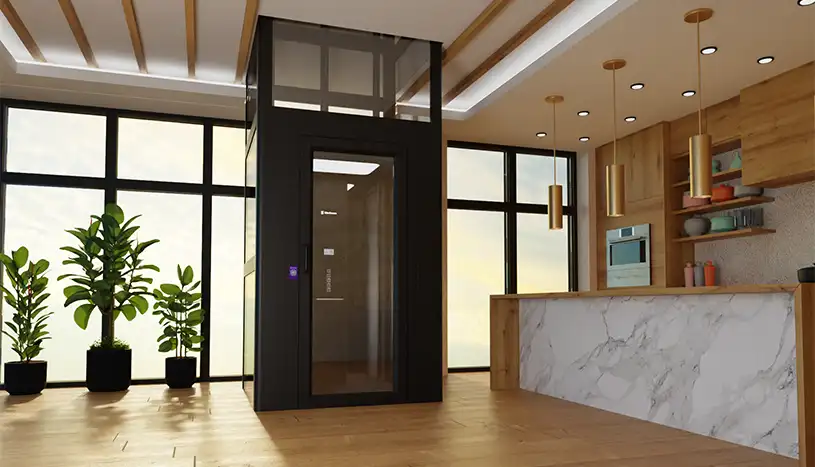
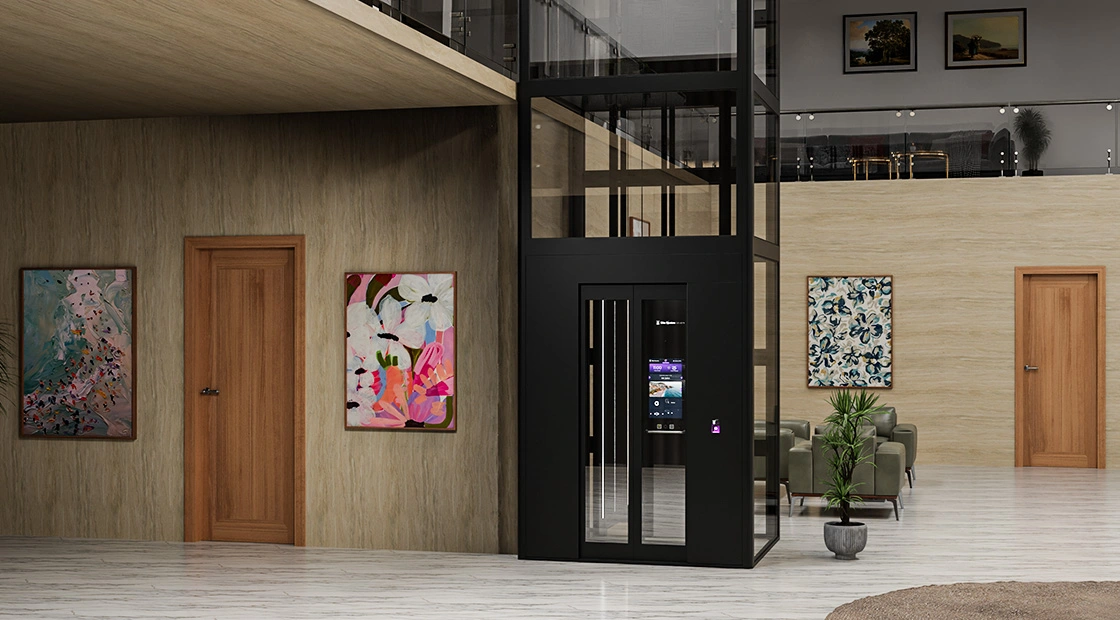
The value of a self-supporting structure extends beyond installation convenience. It fundamentally changes what is possible in residential elevator placement. Because the lift does not depend on surrounding walls, it can be positioned in open spaces, atriums, or areas where wall-mounting would be architecturally impossible. For Malaysian homeowners with open-plan interiors, glass facades, or lightweight construction, this independence is not a convenience — it is the only viable option. It also means future home renovations will not compromise the elevator's structural safety.
An Integrated Engineering Approach to Self-Supporting Structures
The self-supporting framework integrates three key structural elements working in precise coordination:
Aluminium Frame Construction
Aluminium Frame Construction — A high-strength, lightweight aluminium frame forming the primary load-bearing skeleton of the elevator shaft. Aluminium is chosen for its ideal combination of strength, corrosion resistance, and low weight.
Engineered Load Distribution
Engineered Load Distribution — Internal cross-bracing and precision-welded joints distribute dynamic travel loads evenly across the frame, preventing concentrated stress on any single point during operation.
Anchor Base System
Anchor Base System — A precision-engineered base anchor secures the frame to the floor slab, providing a stable foundation that transfers load directly downward without lateral force on surrounding walls.
Structural Integrity and Control Logic
The self-supporting frame works in conjunction with the elevator's control system to monitor load distribution during each journey. Real-time diagnostics ensure the frame performs within engineered tolerances, and any deviation triggers a safety alert. The house lift will not operate if a structural irregularity is detected, ensuring safety is never compromised by unseen structural stress.
Self-Supporting Structures During Installation and Retrofit
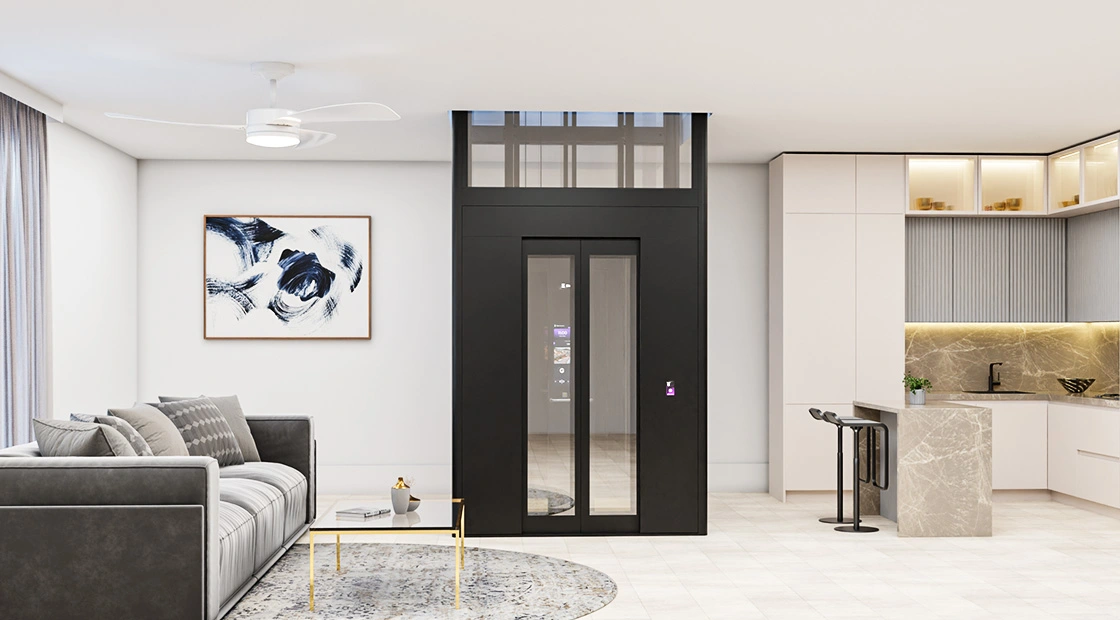
In existing homes, the self-supporting design means no walls need to be opened, no steel beams installed, and no extensive civil modifications carried out. In most cases, installation completes within days rather than weeks. For homeowners retrofitting a lift into a finished property, this minimises disruption, mess, and cost significantly — making a home elevator achievable where traditional installation would not be.
Who Benefits from a Self-Supporting Structure
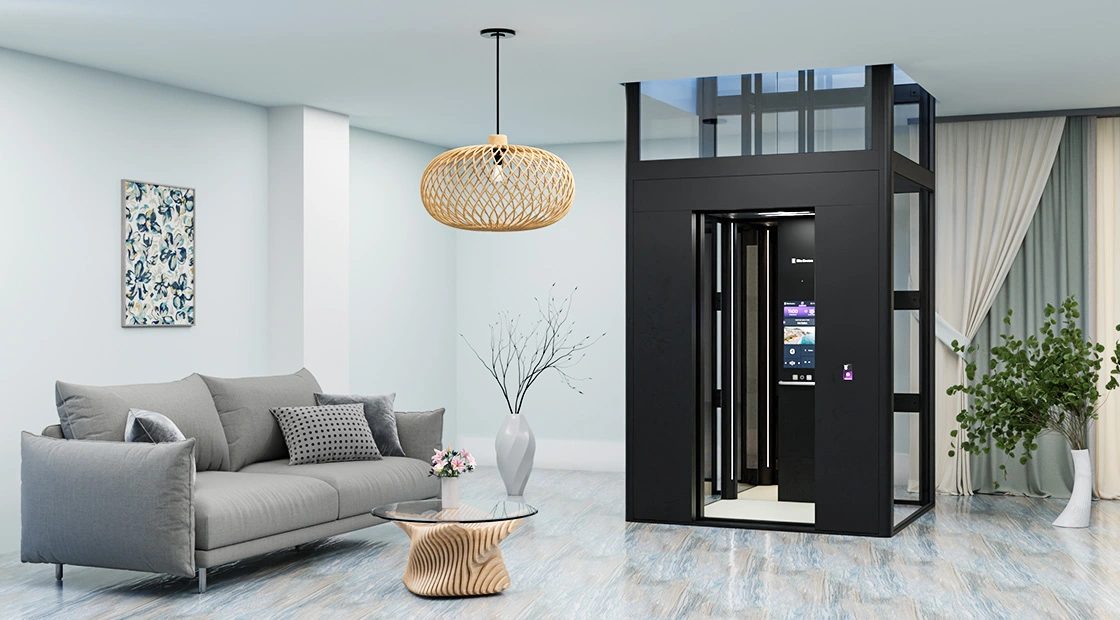
A self-supporting home lift is especially valuable for homeowners with lightweight construction, older properties whose walls cannot support additional loads, open-plan homes where wall-mounting is not feasible, and luxury residences where the elevator is a visual feature positioned in a central atrium. It equally benefits Malaysian homeowners renovating existing properties who want to add a lift without engaging a structural engineer or reinforcing their building fabric.
How the Feature Works
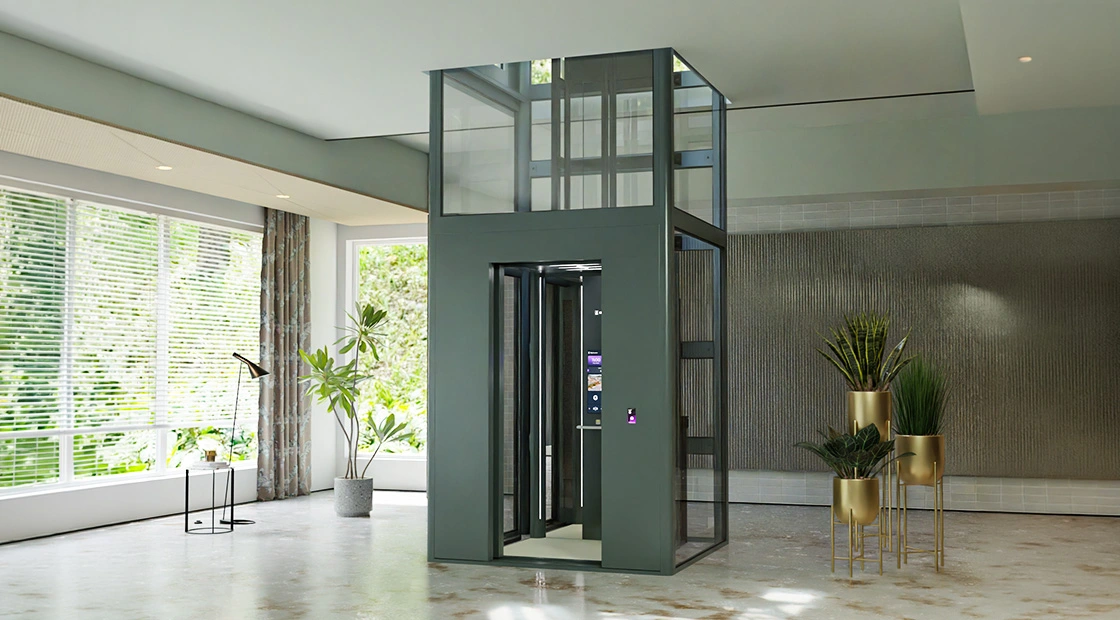
The self-supporting structure provides a fully independent load path from the elevator cabin through the aluminium frame to the floor slab, requiring no structural contribution from surrounding walls or ceilings. Combined with integrated load monitoring and a precision anchor base, it delivers a safe, stable, and architecturally flexible installation solution for every type of Malaysian home.
Frequently Asked Questions
1. Does a self-supporting elevator require any wall modifications?
No. A self-supporting elevator carries its full structural load through its own frame, meaning no wall reinforcement, beam installation, or structural modifications are required. Installation is clean, fast, and non-invasive in most home configurations.
2. Can a self-supporting elevator be installed in an older Malaysian home?
Yes — this is one of the key advantages of the self-supporting design. Because it does not depend on existing walls for support, it suits older properties where walls may not have sufficient load-bearing capacity. An Elite Elevators Malaysia site survey will confirm suitability for your specific property.
3. Is a self-supporting elevator as strong as a wall-mounted one?
Yes. Self-supporting elevator frames are engineered to carry the full dynamic and static loads of elevator operation independently. The aluminium framework exceeds the structural requirements of residential elevator standards, and the integrated load monitoring system ensures ongoing structural integrity throughout the elevator's service life.