 Skip to main content
Smart Overload Alert
An overloaded home elevator is not just a mechanical risk — it is a safety risk to every passenger inside the cabin and a reliability risk to every component in the drive system. Smart Overload Alert is an intelligent, sensor-based safety mechanism that continuously monitors the total weight inside the cabin and prevents the elevator from operating when that weight exceeds the declared rated load. It does not simply warn. It acts — refusing to depart the floor until the excess weight is removed. In Elite Elevators Malaysia's home elevator range, Smart Overload Alert is not an optional safety feature. It is a certified, mandatory component of every product in the range.

How Smart Overload Alert Works
Elite's Smart Overload Alert uses load sensors embedded in the cabin floor platform to measure the total weight inside the cabin before any movement begins. These sensors communicate in real time with the elevator's central control unit, which compares the measured load against the product's rated maximum. If the measured load meets or exceeds the rated threshold — 400 kg on the X200, X200 Plus, E200, and E300; 440 kg on the X400 and X400 Mark II — the control unit immediately prevents the elevator from departing the floor, activates an audible or visual indicator inside the cabin, and maintains this locked state until the load sensor confirms that the weight has been reduced to within the safe operating range.

Importance of Smart Overload Alert in Malaysian Home Elevators
In a multi-generational Malaysian household where the elevator is used by multiple family members — sometimes several at once — with varying loads including grocery deliveries, mobility equipment, and household items, the risk of accidental overloading is real and recurring. An elevator that permits overloaded operation is not just placing mechanical components at risk — it is compromising the braking system's stopping capacity, the ARD's rescue capability, and the structural integrity of the cabin under dynamic load. Smart Overload Alert removes this risk entirely, automatically and without requiring any technical knowledge from the passengers involved.

Intelligent Overload Logic and System Response
Elite's overload control logic operates across three distinct response levels depending on the nature of the overload event. A pre-departure overload prevents cabin movement before the journey begins — the most common scenario and the most easily resolved. A load-shift overload during travel — caused by shifting cargo or passenger movement — triggers a controlled stop at the nearest floor. A sustained overload condition activates the emergency communication system on smart models, alerting Elite's support team. This graduated response ensures that every overload scenario is handled in the manner appropriate to its severity, without alarming passengers unnecessarily or compromising safety under any condition.
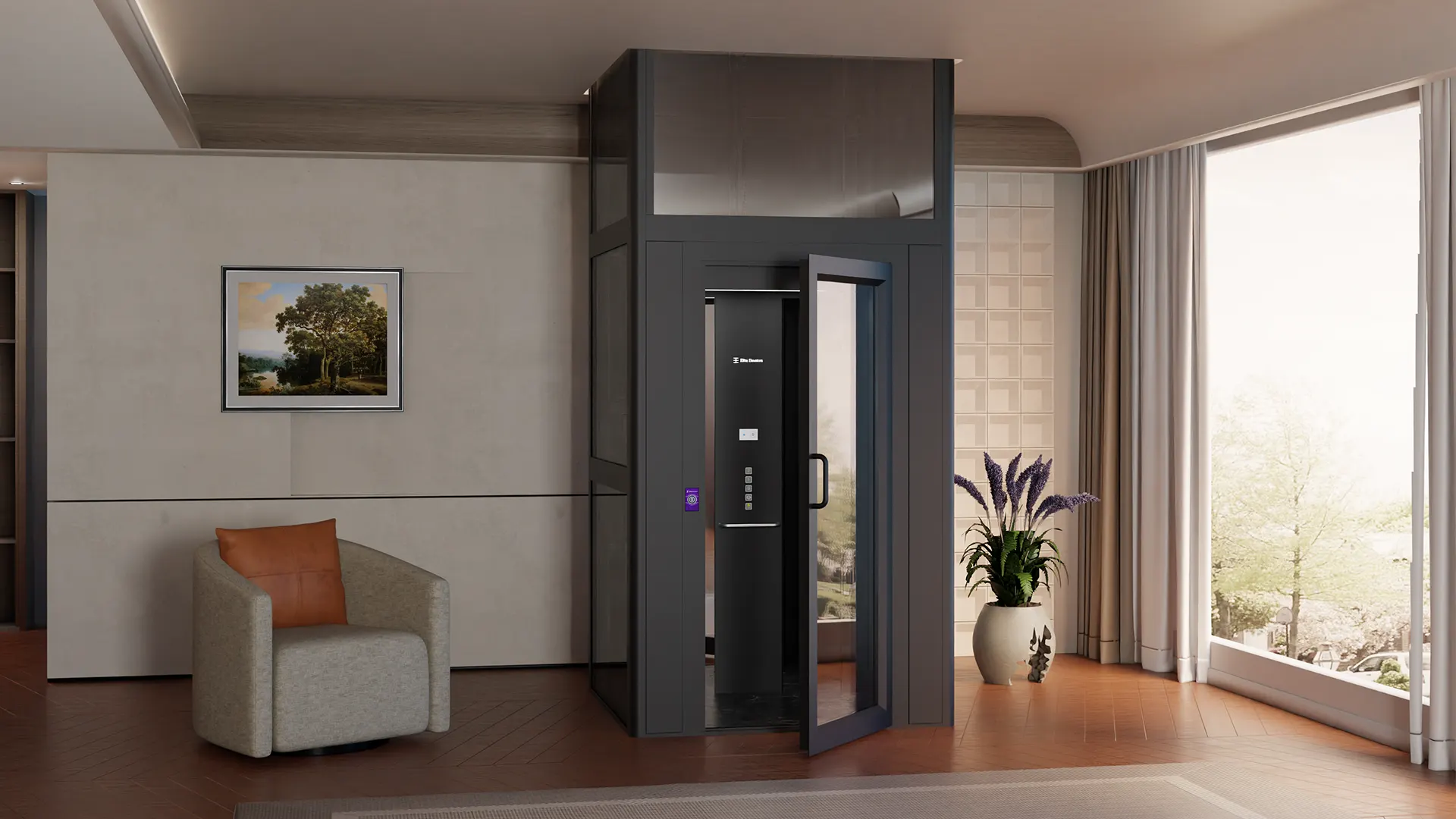
Overload Protection During Power Outages and Emergencies
Elite's ARD emergency rescue system is designed and rated to operate at the maximum declared load of each product — 400 kg or 440 kg depending on the model. Overload protection and emergency rescue are complementary, not competing, systems: the overload sensor prevents the elevator from carrying an unsafe load in the first place, and the ARD is rated for the maximum safe load it may ever need to rescue. This means the ARD is never called upon to rescue a cabin that is heavier than its design specification — a critical engineering assurance that protects both passengers and the rescue system itself.
An Integrated Sensor and Control Approach to Overload Prevention
Smart Overload Alert in Elite's home elevators is implemented through a three-component integrated system:
Precision Cabin Floor Load Sensors
Weighing sensors distributed across the cabin floor platform measure total load with precision calibrated to the rated capacity of each specific product. Sensor calibration is verified during installation commissioning and checked during annual service visits to ensure continued accuracy over the elevator's working life.
Real-Time Load Monitoring Control Unit
The central control unit receives continuous load data from the floor sensors and evaluates it against the rated threshold in real time. This evaluation occurs before every departure and is updated continuously throughout the journey — so a load shift during travel that creates a safety concern triggers an immediate system response.
Cabin Indicator and Audible Alert
When overload is detected, the control unit activates a clear indicator inside the cabin — a display notification on smart models, an audible alert on standard models — informing passengers that the weight limit has been reached and operation cannot proceed. The alert is clear, non-alarming, and immediately actionable.

Who Benefits from Smart Overload Alert?
Smart Overload Alert benefits every household where multiple passengers, varied loads, or heavy mobility equipment create realistic overload risk. Multi-generational households with several family members using the elevator simultaneously benefit from a system that prevents accidental overloading without requiring anyone to calculate weights before travelling. Households where wheelchair users travel with attendants and equipment benefit from the assurance that the total load — including the wheelchair, user, and attendant — is always verified before departure. Households with domestic helpers who use the elevator to move groceries, laundry, or household items benefit from a system that catches overloading at the source rather than allowing it to stress the drive mechanism and braking system over time.

How Smart Overload Alert Works?
Precision load sensors are embedded across the cabin floor platform, measuring the total weight inside the cabin continuously and communicating that measurement to the elevator's central control unit in real time. Before every departure, the control unit compares the measured load against the product's declared rated maximum. If the measured weight meets or exceeds the rated threshold, the control unit blocks cabin departure, activates an in-cabin indicator alert, and holds this locked state until the load sensor confirms the weight has returned within the safe operating range. This evaluation is not a one-time check at departure — it continues throughout the journey, so a load shift mid-travel that creates a safety concern triggers an immediate controlled stop at the nearest floor. On smart models, an overload event also triggers an alert through the Live SOS system and the Error Notification System (ENS), so Elite's support team is notified of the event even if no passenger manually calls for assistance.
Frequently Asked Questions
1. What happens when a home elevator detects an overload?
When Elite's Smart Overload Alert detects that the cabin weight exceeds the rated load, the elevator refuses to depart the floor. An indicator inside the cabin alerts passengers, and the elevator remains stationary until the excess weight is removed and the load sensor confirms safe operating weight. On the X400 Mark II and X200 Plus, a display notification appears on the Live Board and cabin controls. The elevator does not attempt to travel with an overloaded cabin under any circumstances.
2. Can the overload protection be disabled?
No. Elite's Smart Overload Alert is a certified safety component under EN 81-41, EN 81-20, and EN 81-50 — it cannot be disabled by passengers or operators. This is by design: an overload protection system that can be bypassed provides no protection. The system is calibrated to the specific rated load of each product and is verified during installation commissioning and annual service visits to ensure continued accuracy.
3. How accurate is the overload sensor in Elite home elevators?
Elite's load sensors are precision-calibrated to the rated load of each specific product model during factory production and verified on-site during commissioning. The calibration is checked as part of every annual service visit. Sensor accuracy is maintained within the tolerance specifications required by EN 81-41 certification — ensuring the system responds correctly to both genuine overload conditions and normal operational load variations.