 Skip to main content
Brake 3.0 — Reliable and Responsive Dual Braking for Home Elevators
Stopping safely is as important as moving smoothly. Brake 3.0 is an advanced dual braking system integrated into Elite home elevators, delivering two independent layers of braking protection that work together to bring the elevator to a controlled, smooth stop under every operating condition. Whether braking during normal deceleration, responding to an emergency, or activating during a power failure, Brake 3.0 ensures the elevator stops reliably — every single time.

How This Safety Works
Brake 3.0 operates through two physically separate braking mechanisms. The primary system uses the drive motor's regenerative braking to slow the cabin smoothly during normal deceleration. The secondary mechanical brake acts as an independent failsafe, engaging automatically if the primary system detects an anomaly, if speed exceeds safe operating parameters, or if power is interrupted. Both brakes are governed by the elevator's central safety logic, which monitors speed and position continuously throughout every journey.
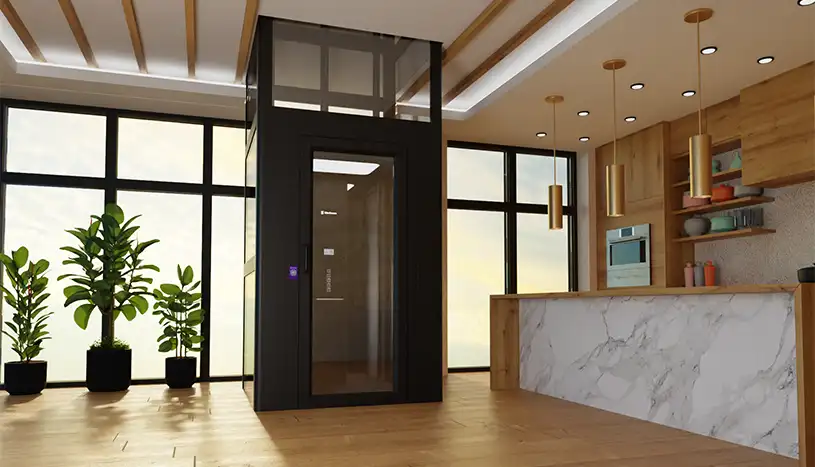
Importance of Dual Braking in Home Elevators
A single braking system, however well-engineered, represents a single point of failure. In a residential elevator serving elderly users, children, and passengers with mobility limitations, that is not acceptable. Brake 3.0 eliminates this vulnerability entirely by providing full braking redundancy. If one mechanism experiences any fault, the second engages independently and without delay. This dual redundancy means the elevator is always one working brake away from a safe stop — regardless of conditions encountered during travel.
An Integrated Dual Braking Approach
Brake 3.0 combines three precision-engineered braking components in a coordinated safety architecture:
Regenerative Motor Braking
Regenerative Motor Braking — The gearless drive motor applies controlled electromagnetic resistance to decelerate the cabin smoothly during normal stops, recovering energy and reducing mechanical wear.
Mechanical Safety Brake
Mechanical Safety Brake — A spring-loaded mechanical brake that engages automatically when power is removed or when the safety logic detects a speed or position anomaly, providing an immediate and independent physical stop.
Speed Governor System
Speed Governor System — A centrifugal speed governor monitors cabin velocity in real time and triggers the mechanical safety brake if speed exceeds the defined safe operating limit, preventing uncontrolled movement under any circumstance.

Intelligent Braking Control Logic
The Brake 3.0 system is governed by a real-time control processor monitoring cabin speed, position, and drive system status throughout every journey. Braking commands are issued within milliseconds of any detected anomaly. Both mechanisms are tested in every start-up diagnostic cycle before any passenger journey begins. If either brake fails a self-test, the elevator will not operate until the fault is resolved.
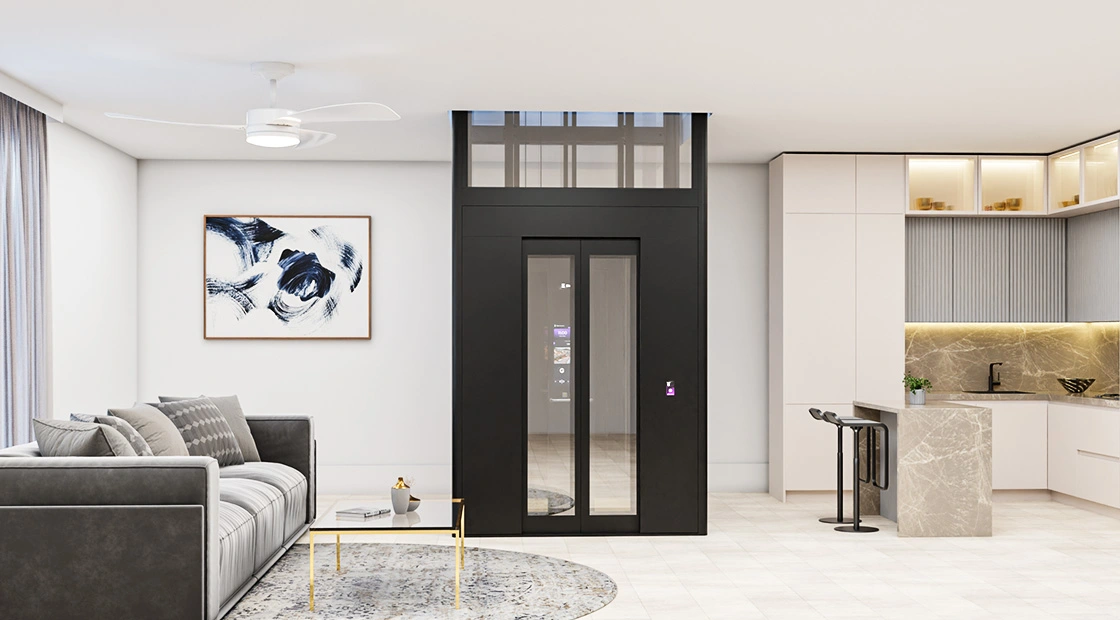
Brake 3.0 During Power Outages and Emergency Situations
During a power interruption, the mechanical safety brake engages immediately and automatically, holding the cabin securely. The battery backup system then activates the ARD, which releases the brake in controlled increments to travel the cabin slowly to the nearest floor. This controlled process ensures passengers are never stationary longer than necessary, and the transition to emergency operation is smooth rather than abrupt.
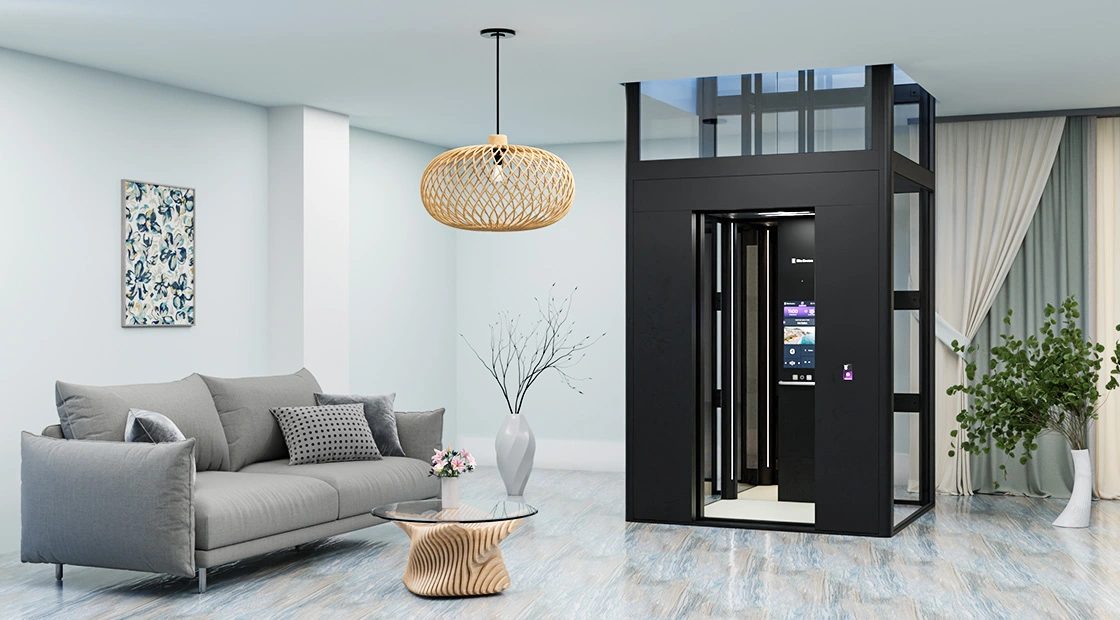
Who Benefits from Brake 3.0
Brake 3.0 is of particular benefit to households with elderly users or mobility-impaired passengers who rely on consistent, smooth deceleration — abrupt stops can cause loss of balance or discomfort. It provides essential reassurance for parents of young children using the elevator independently and for multi-generational families with high daily usage across a wide range of passengers. Dual braking should be considered a fundamental requirement for any home where the elevator serves as a primary mobility solution.
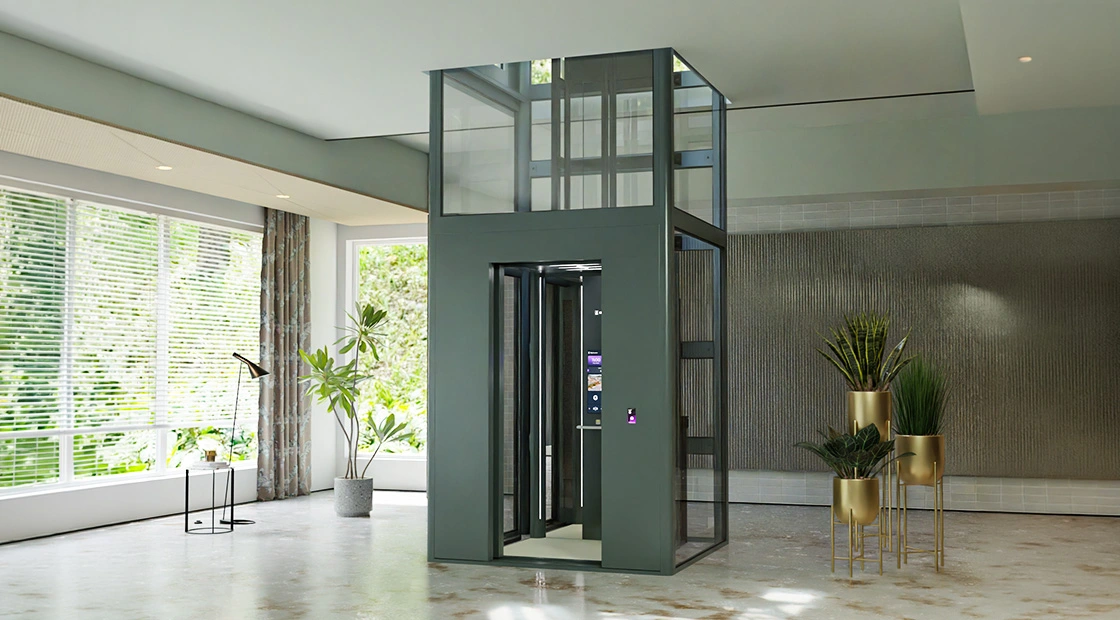
How the Feature Works
Brake 3.0 delivers two independent braking layers — regenerative motor braking for normal deceleration and a mechanical safety brake as an always-available failsafe — governed by real-time safety logic monitoring speed and position continuously. Self-diagnostic checks confirm both brakes are operational before every journey. In an emergency or power failure, the mechanical brake holds the cabin securely while the ARD manages a controlled rescue descent.
Frequently Asked Questions
1. What happens if one of the brakes fails?
The second brake engages immediately and independently if any fault is detected in the primary system. The elevator's self-diagnostic cycle checks both brakes before each journey, and the lift will not operate if either brake reports a fault. This redundancy ensures no single braking failure can result in uncontrolled cabin movement.
2. Is the Brake 3.0 system tested regularly?
Yes — both braking mechanisms are checked in the elevator's automatic start-up diagnostic before every journey. Performance is also verified during Elite Elevators Malaysia's scheduled maintenance visits, and can be monitored remotely through the diagnostic system on connected models.
3. Does Brake 3.0 affect the smoothness of normal stops?
No — Brake 3.0 is specifically engineered to deliver smooth, comfortable deceleration through regenerative motor braking in everyday use. The mechanical safety brake only intervenes during emergencies or power failures, and its engagement is managed to be as controlled and smooth as conditions allow.